DexMat Selected as a World Economic Forum UpLink Challenge Winner
One of 10 ventures selected for the Powering Tomorrow: Electricity Systems Challenge, DexMat was recognized for Galvorn®, an advanced carbon material built to replace the metals the grid depends on, starting with the steel core inside overhead transmission conductors.
HOUSTON, TX, September 16, 2026 (EZ Newswire) -- DexMat, the materials company behind Galvorn®, today announced that the World Economic Forum has selected it as one of 10 winners of UpLink’s Powering Tomorrow: Electricity Systems Challenge. The selection brings DexMat into the UpLink Ventures cohort and the Forum’s global UpLink community. The cohort was announced during the “On the Horizon: The Next Wave of Energy Innovation” session at the Forum’s 2026 Energy Forum in Geneva.
The electricity system is built almost entirely on steel, aluminum, and copper. Copper demand from AI infrastructure, electrification, and renewable integration is projected to grow 50% by 2040, while supply is on track to peak in 2030 and then decline. Steel production alone accounts for approximately 8% of global final energy demand, and aluminum smelting is among the most electricity-intensive industrial processes in the world. DexMat’s submission made the case that the next grid needs a different class of materials, one that is conductive, strong, and lightweight, and that can be produced from abundant feedstocks at a fraction of the energy cost of legacy metals.
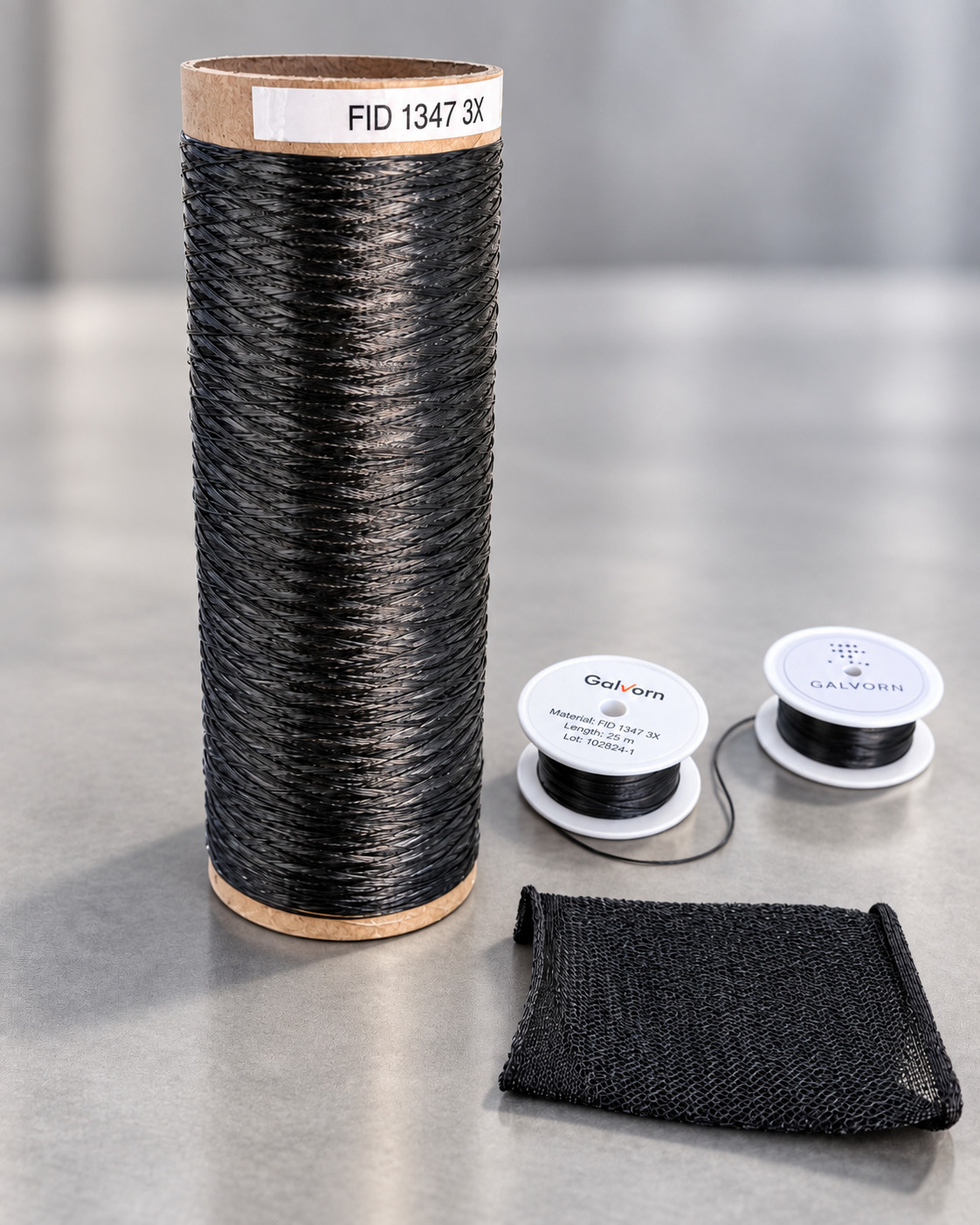
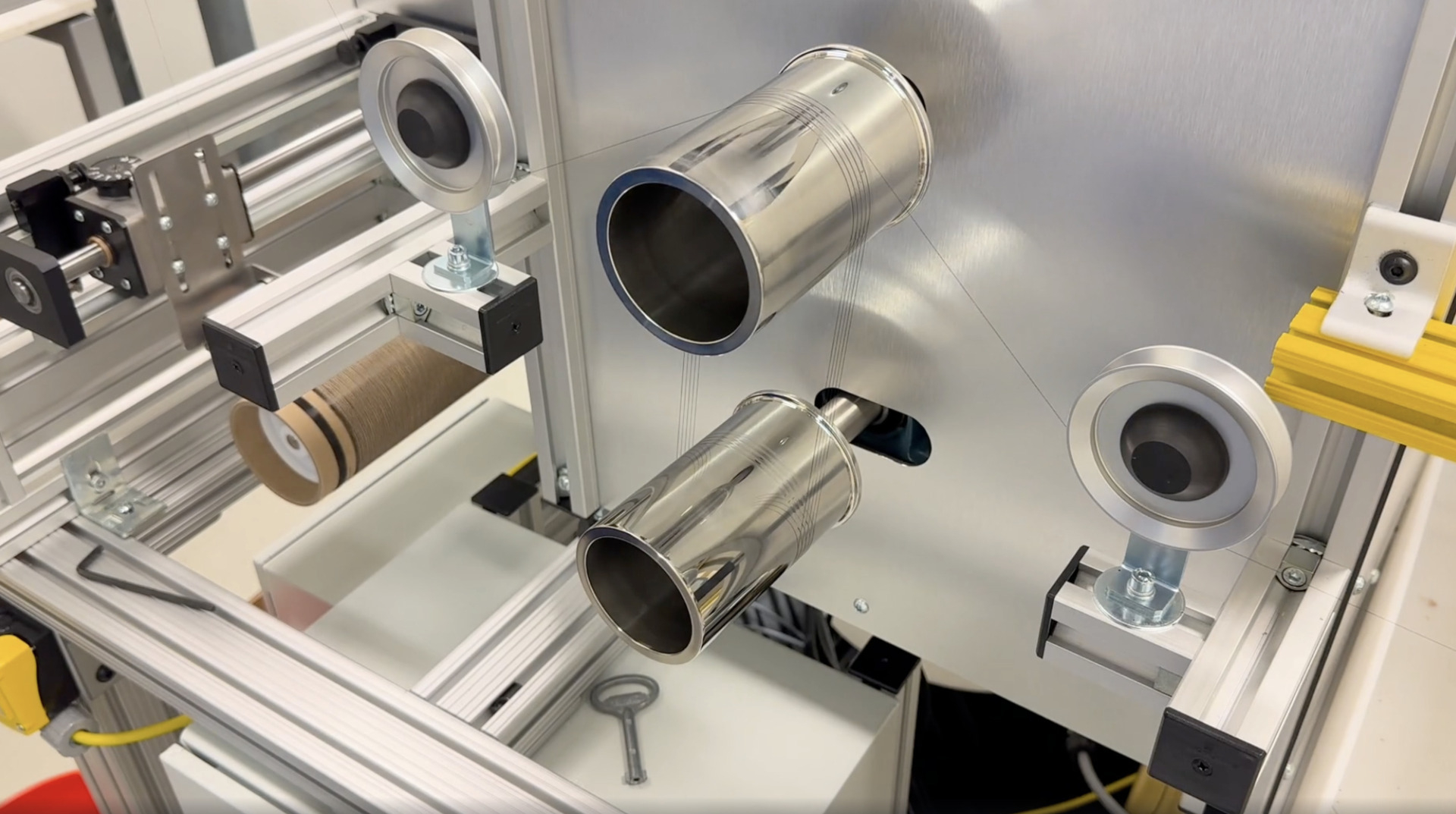
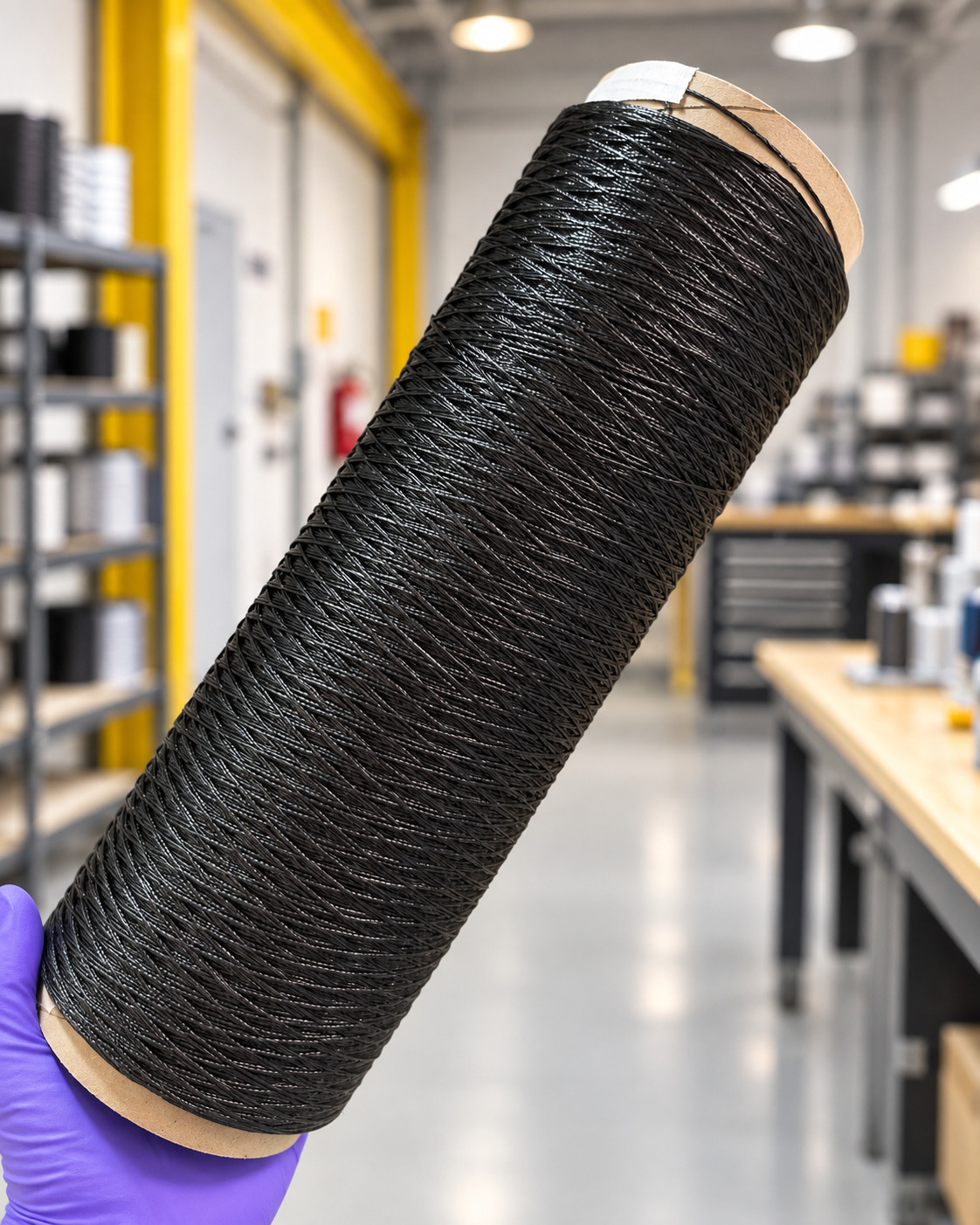
Galvorn is that material. An advanced carbon material, it delivers 97% of copper’s electrical conductivity weight for weight at 80% less mass, and it has 15 times the specific strength of steel by mass. Galvorn is manufactured today at DexMat’s ISO 9001-certified facility in Houston and ships globally as fiber, yarn, and film to customers developing products across aerospace, defense, data centers, wire and cable, automotive, and energy. Since Galvorn’s invention, DexMat has increased production capacity more than 3,000-fold and reduced manufacturing costs by 99.6%.
Electricity demand is growing faster than utilities can add capacity. New transmission corridors can take a decade or more to permit and build, and many existing towers cannot support heavier conductors without costly foundation upgrades. The result is stranded capacity on corridors already in place.
DexMat's first grid application addresses this constraint directly. With Prysmian, one of the world's leading cable manufacturers, and with support from a $1.1 million U.S. Department of Energy grant, DexMat is developing an overhead transmission conductor that replaces the steel core inside a standard aluminum conductor with a Galvorn core. Early results point to a conductor that is roughly 20% lighter than today's steel-cored cable, with a 120% increase in breaking strength, and an estimated $100,000 per mile lower installation cost. Results like that are what a different class of material can do where copper, aluminum, and steel have hit their limits. The design also matches standard installation bend radius, operates at high temperatures with reduced sag, and enables integrated line monitoring through the conductive core itself. As production scales and costs decline, the roadmap leads to conductors with increasing Galvorn content. An independent third party has validated DexMat's techno-economic analysis, and pilot-plant and demonstration-plant designs have been costed for the next stage of scale-up.
“The grid is built on the wrong materials for what we are now asking it to do,” said Bryan Guido Hassin, CEO of DexMat. “Steel, aluminum, and copper powered the first grid, and each has become a constraint on the next one. Galvorn combines conductivity, strength, and light weight in a single material that is shipping today and, at scale, can be produced from an abundant domestic feedstock at a fraction of the energy cost of legacy metals. Replacing the steel core in transmission conductors is where that matters first for the grid, and we are grateful to UpLink for recognizing both the application and the material behind it.”
The material shift also changes the energy cost of building infrastructure. At scale, Galvorn can be produced from natural gas, an abundant domestic feedstock, with far lower energy intensity than mining and processing legacy metals, and it can be recycled into Galvorn without losing its properties.
Grid deployment requires significantly higher production volumes and lower price points than DexMat’s current markets. DexMat is building toward those economics through commercial applications in signal wire and EMI shielding across aerospace, defense, and data centers, where Galvorn’s properties command a premium at today’s scale and price. Every order in those markets adds throughput, process knowledge, and purchasing scale to the same production platform that will supply future conductor cores. The two tracks run in parallel. The Prysmian program develops the grid application, while the wire and cable business supports the scale-up.
Separately, DexMat has signed its first joint development agreement with a Tier 1 global wire and cable manufacturer and its first multi-year offtake agreement, providing nearer-term commercial proof as the transmission program advances.
About DexMat
DexMat is a U.S.-based company pioneering Galvorn®, a lightweight, flexible, and high-performance conductive material. Invented at Rice University by Nobel Prize-winning scientists, Galvorn offers a unique combination of properties that enables new designs and mitigates system-level tradeoffs across demanding applications. Customers in aerospace, space, defense, automotive, energy, and consumer technology are using Galvorn to develop lighter systems, improve durability, and enable applications not possible with traditional materials. Proudly made in America, Galvorn is manufactured at DexMat’s ISO 9001-certified facility in Houston and shipped globally. For more information, visit dexmat.com.
Media Contact
Mahoney Communications Group
fiana@mahoneycommunications.com